
Introduction
The fitness world is experiencing one of the biggest transformations in history—powered by technology. What used to be a simple combination of gyms, workout routines, and personal trainers has now evolved into a digital ecosystem filled with smart devices, AI-based tools, virtual workouts, and data-driven training programs. Modern fitness is no longer just about physical effort; it is now deeply connected with technology that helps individuals train smarter, track progress accurately, and achieve results faster.
From smartwatches that monitor heart rate to AI apps that generate personalized workout plans, technology is changing how people approach health and fitness. It has made fitness more accessible, more efficient, and more enjoyable for people of all ages. Whether someone prefers gym workouts, home exercises, outdoor running, or virtual classes, technology enhances every part of the fitness journey.
This blog explores how technology is revolutionizing modern fitness, what tools are making the biggest impact, and how the future of fitness will evolve with innovation.
Wearable Technology Is Becoming a Personal Fitness Coach
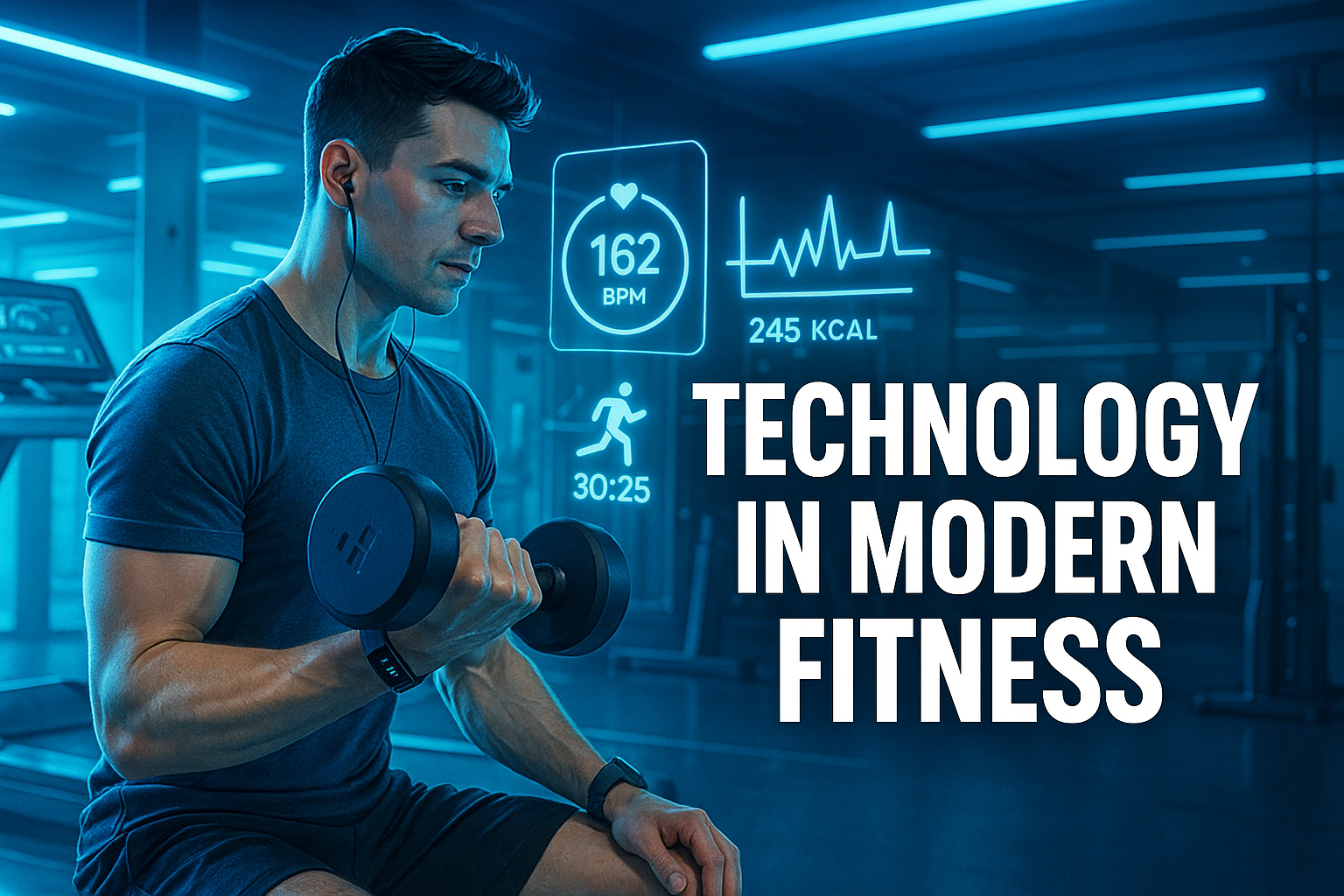
Wearable devices have become one of the most influential innovations in the fitness industry. Smartwatches, fitness trackers, and health-monitoring wearables track multiple aspects of physical health, such as steps, calories burned, sleep patterns, heart rate, and workout intensity.
These devices provide real-time feedback, helping users make better decisions about their exercise routines. Instead of guessing how hard they are training, users can monitor exact metrics. Wearables also motivate people through reminders, goal achievements, and performance trends.
Some advanced wearables can detect irregular heart rhythms, stress levels, and oxygen saturation. They act as daily health companions, improving awareness and encouraging healthier lifestyles.
AI-Driven Fitness Apps Offer Personalized Training
Artificial intelligence has made personalized fitness training accessible to everyone. In the past, customized workout plans were available mainly through expensive personal trainers. Today, AI-powered apps analyze user data, fitness level, body type, and goals to create personalized routines.
These apps adjust exercises based on performance, fatigue, and preferences. AI can identify weak areas, suggest improvements, and track long-term progress. The more a user interacts with the app, the smarter it becomes.
AI-driven coaching brings consistent motivation, accuracy, and professional guidance—right from a mobile device.
Virtual and Online Workouts Are Growing Worldwide
The rise of virtual fitness classes has changed how people exercise. Online platforms allow users to join live workout sessions, follow pre-recorded routines, and participate in global fitness communities. People no longer need to travel to a gym or studio; they can exercise from home or even while traveling.
Virtual workouts cater to all types of users—beginners, advanced athletes, dancers, yoga practitioners, and strength trainers. Many online instructors offer interactive sessions where participants receive real-time corrections and encouragement.
This shift has made fitness more inclusive and accessible, especially for people who prefer privacy or have busy schedules.
Smart Home Gym Equipment Is Replacing Traditional Gym Machines
Technology has transformed home workout equipment into advanced smart machines. Devices such as smart bikes, digital weight systems, interactive mirrors, and connected treadmills are redefining home fitness. These machines track performance, provide virtual coaching, and simulate real-world environments.
Users can join live classes, compete with others, and monitor progress on large screens. Smart equipment also adjusts intensity automatically based on training needs. This convenience helps people maintain fitness without relying on gym memberships.
The combination of AI and hardware makes home workouts more engaging and effective.
Fitness Data Helps People Train Smarter
Data plays an important role in modern fitness. Every workout produces valuable information that helps users understand their body’s performance. Tracking metrics such as pace, reps, heart rate zones, recovery time, and calorie burn leads to better results.
Data-driven training helps individuals avoid overtraining, manage rest periods, and optimize performance. Athletes use advanced analytics to improve strength, speed, endurance, and technique. Even beginners benefit from simple data insights that guide them step by step.
The shift from random exercise to data-backed training improves consistency and boosts long-term success.
Nutrition Apps Support a Holistic Fitness Approach
Fitness is not just about exercising—it also requires healthy nutrition. Technology has improved this area through smart nutrition apps that help users track calories, monitor macros, plan meals, and understand nutritional value.
Some apps scan food items for instant details, while others generate personalized diet plans based on goals like fat loss, muscle gain, or improved energy. AI nutrition tools recommend healthier alternatives, analyze eating habits, and adjust meal plans automatically.
This holistic approach ensures users maintain a balanced lifestyle that supports their fitness goals.
Gamification Makes Fitness Fun and Motivating
Technology has introduced gamification elements into fitness, making workouts feel like exciting challenges rather than tiring routines. Fitness games, interactive apps, and virtual competitions motivate users to stay consistent.
Users earn points, badges, and achievements for completing challenges. Some apps allow people to compete with friends or global users. Gamification increases consistency and makes fitness enjoyable for people who usually struggle with motivation.
By combining entertainment and exercise, technology turns working out into a fun experience.
Social Fitness Platforms Build Strong Communities
Fitness has become more social thanks to technology. Social fitness platforms allow users to share progress, join challenges, and interact with others on similar fitness journeys. These communities offer encouragement, accountability, and emotional support.
Online groups help beginners stay motivated, while advanced athletes learn new techniques through shared experiences. Community challenges create a sense of belonging that boosts consistency.
Technology has transformed fitness from an individual activity into a global shared experience.
Smart Clothing Enhances Performance Monitoring
Smart clothing is one of the newest innovations in fitness technology. These garments are embedded with sensors that monitor muscle activity, posture, movement patterns, and performance levels.
Athletes use smart clothing to correct form, prevent injuries, and improve technique. Everyday users can track more accurate data compared to wearable devices. As technology becomes more advanced, smart clothing will play an even bigger role in improving workout efficiency.
Recovery Technology Improves Muscle Health
Recovery is essential for long-term fitness, and technology is improving this area as well. Devices such as massage guns, infrared therapy tools, electric muscle stimulators, and compression boots help reduce soreness and speed up recovery.
These tools allow users to recover efficiently without relying on long rest periods. Technology-based recovery supports better performance, reduced injury risk, and improved overall fitness levels.
The Role of VR and AR in Future Fitness
Virtual reality and augmented reality are transforming workouts into fully immersive experiences. VR fitness games simulate sports, dance, boxing, and adventure environments that make exercise exciting. AR overlays digital elements on the real world, guiding users through perfect workout forms and movement patterns.
These immersive technologies make fitness more engaging and encourage longer workout durations. As VR and AR continue to evolve, they will reshape the entire fitness experience.
The Future of Fitness: AI, Personalization, and Full Automation
The future of fitness will be driven by AI-powered personalization and connected ecosystems. Gyms will use smart machines that adjust automatically. AI assistants will generate real-time workout corrections. Smart homes will integrate personalized fitness schedules into daily routines.
Future devices may track hydration levels, muscle fatigue, hormone balance, and mental well-being with advanced sensors. Fully automated fitness environments will guide users through perfect workouts with minimal effort.
Technology will continue to merge physical and digital fitness, creating a powerful ecosystem that supports long-term health and performance.
Conclusion
Technology is transforming modern fitness in remarkable ways. Wearables, AI apps, virtual workouts, smart equipment, and fitness data are shaping a future where training is more effective, enjoyable, and personalized. People can now monitor their health, track their progress, and access professional guidance from anywhere in the world.
This technological evolution has made fitness more accessible and engaging for all age groups. As innovation continues, the fitness industry will move toward more intelligent, connected, and immersive experiences. Technology is not just enhancing fitness—it is redefining it completely.
The future of fitness is digital, personalized, and smarter than ever.
