
Introduction
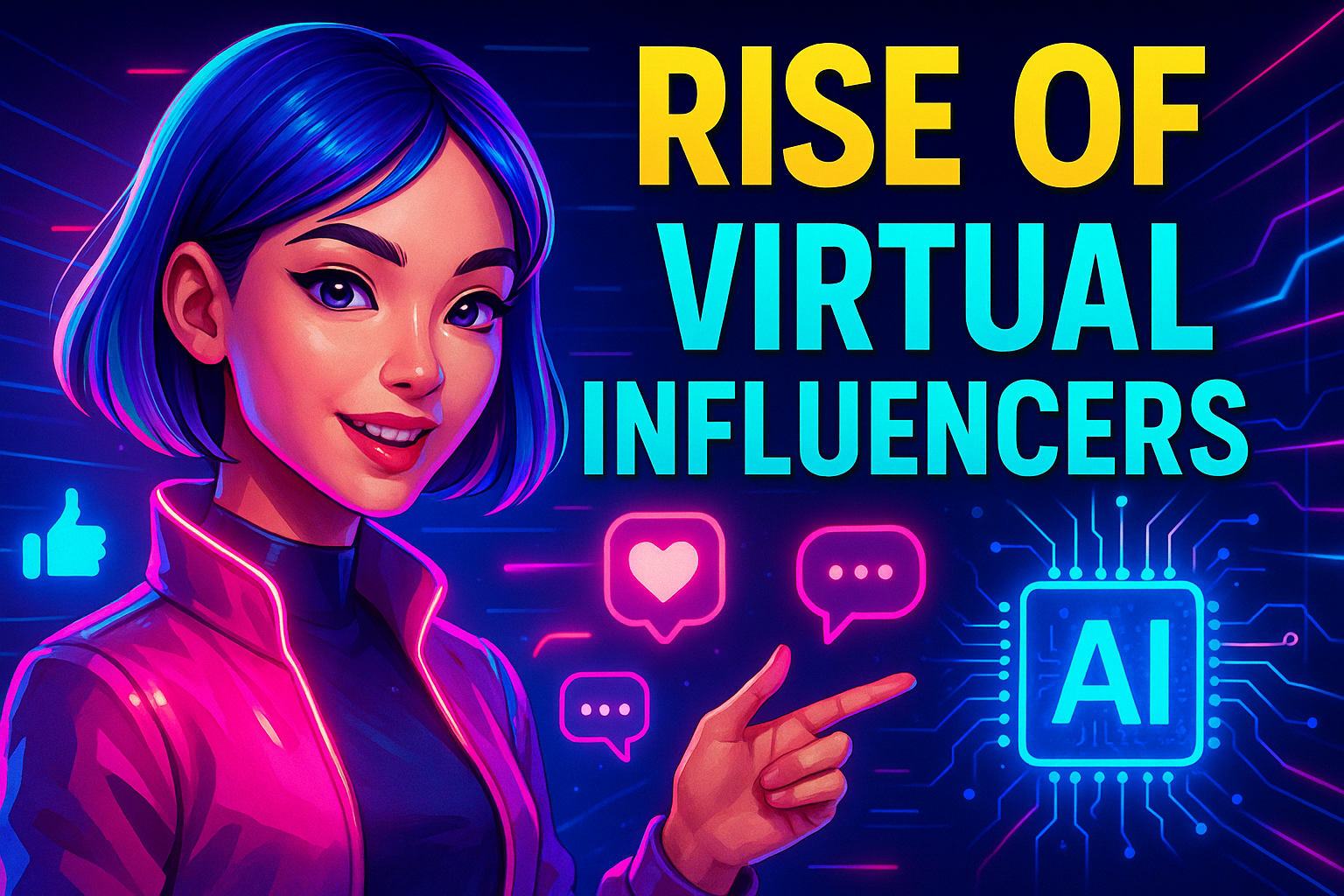
In 2025, virtual influencers are no longer a novelty; they have become a significant force in the entertainment and marketing industries. These computer-generated personalities, powered by AI and 3D modeling, interact with audiences, promote brands, and even star in digital content. From social media platforms to advertising campaigns, virtual influencers are changing the way audiences engage with entertainment.
Unlike traditional influencers, virtual influencers are entirely controlled by creators or AI algorithms. They can be styled, scripted, and positioned in ways that real-life personalities cannot, offering unparalleled flexibility. As technology evolves, these digital figures are increasingly realistic, emotionally expressive, and capable of building strong connections with fans. The rise of virtual influencers represents a shift toward a more digitally integrated entertainment ecosystem.
This blog explores the growth of virtual influencers, their impact on entertainment, marketing strategies, and why they are becoming a dominant trend in 2025.
What Are Virtual Influencers?
Virtual influencers are AI-generated or computer-modeled characters that interact with audiences online. They resemble human influencers in appearance, personality, and lifestyle but are entirely digital. Powered by AI, motion capture, and animation software, these influencers can post content, respond to messages, and even engage in real-time conversations with fans.
Brands and entertainment companies increasingly use virtual influencers because they offer a controlled, scalable, and consistent presence. Unlike human influencers, they never age, take breaks, or encounter scandals, making them a reliable long-term investment for campaigns and digital projects.
The Technology Behind Virtual Influencers
The growth of virtual influencers in 2025 relies on advanced AI, machine learning, and graphic rendering. AI enables natural language processing, emotion recognition, and behavioral simulation. Motion capture technology and 3D modeling create realistic animations, facial expressions, and body movements.
Social media algorithms and analytics tools help creators understand audience preferences, guiding content creation and engagement strategies. The combination of AI, immersive graphics, and data-driven insights ensures that virtual influencers are both realistic and highly engaging, bridging the gap between digital and human interaction.
Virtual Influencers in Entertainment
Virtual influencers are no longer limited to social media posts; they are increasingly integrated into entertainment. They appear in music videos, virtual concerts, advertisements, and even animated series. By combining AI-generated personalities with creative storytelling, entertainment companies create interactive and immersive experiences for audiences.
These digital characters also collaborate with real artists, actors, and musicians, blurring the lines between virtual and real-world entertainment. Fans interact with them like human celebrities, attend live virtual events, and follow their curated digital lifestyles. The entertainment industry benefits from innovation, scalability, and creative freedom through virtual influencers.
Marketing Power of Virtual Influencers
Brands see virtual influencers as highly effective marketing tools. They can promote products, endorse campaigns, and target specific audiences with precision. AI algorithms analyze engagement data, optimize content, and tailor messaging for maximum impact.
Unlike human influencers, virtual personalities offer complete brand alignment. Creators can ensure that every post, story, or appearance matches the brand’s voice and image. This control reduces risks associated with scandals or inconsistent messaging. In 2025, virtual influencers dominate marketing strategies in fashion, beauty, gaming, and lifestyle sectors.
Global Reach and Accessibility
Virtual influencers can interact with audiences across the globe without physical limitations. They can communicate in multiple languages, adapt content to cultural nuances, and appear in any location digitally. This global accessibility allows brands and entertainment companies to reach diverse audiences effectively.
Moreover, virtual influencers can work 24/7 without downtime, attend multiple events simultaneously, and scale campaigns efficiently. The international reach and adaptability make them an attractive alternative to traditional celebrity endorsements, especially for global campaigns.
Engaging Younger Audiences
Generation Z and Alpha audiences are highly receptive to digital trends and virtual personalities. These generations value creativity, novelty, and interactivity, making virtual influencers highly appealing. Virtual characters often align with gaming, streaming, and social media cultures, which dominate youth entertainment.
By 2025, virtual influencers are central to campaigns targeting younger demographics, creating deeper engagement through interactive content, live Q&A sessions, and gamified experiences. Their popularity among younger audiences drives brand visibility and loyalty in ways traditional methods cannot replicate.
Ethical Considerations and Challenges
The rise of virtual influencers raises ethical questions. Issues such as transparency, authenticity, and content manipulation must be addressed. Audiences should be aware that these influencers are AI-driven or digitally created, not human personalities. Ethical marketing ensures trust while avoiding misleading impressions.
There are also creative challenges. Maintaining audience engagement, emotional relatability, and long-term storytelling requires skillful design and strategic content planning. As virtual influencers evolve, creators must balance technological innovation with human-like authenticity to sustain influence.
The Future of Virtual Influencers
In 2025, virtual influencers are expected to become more immersive and interactive. AI advancements will allow real-time emotional responses, adaptive content creation, and virtual reality integration. Fans may engage with influencers in fully immersive virtual worlds, attend interactive concerts, or participate in AI-driven narratives.
The entertainment industry is likely to see hybrid collaborations where virtual and human influencers work together, creating new forms of digital storytelling. Virtual influencers will not replace humans but complement creativity, offering unique opportunities for innovation, engagement, and monetization.
Impact on Traditional Celebrity Culture
The rise of virtual influencers is reshaping celebrity culture. Traditional celebrities now compete with AI-driven digital personalities for audience attention. While human charisma remains valuable, virtual influencers offer unparalleled consistency, customization, and digital integration. This shift encourages entertainment industries to rethink marketing strategies, audience engagement, and content production in 2025 and beyond.
Virtual influencers also democratize celebrity culture, as creators can design digital personas without the constraints of fame, geography, or physical limitations. This evolution allows new forms of storytelling, branding, and fan interaction.
Conclusion
Virtual influencers are transforming entertainment in 2025 by merging technology, creativity, and marketing innovation. These AI-driven digital personalities engage audiences globally, enhance brand campaigns, and deliver immersive experiences that traditional methods cannot match. With advanced AI, realistic animations, and interactive capabilities, virtual influencers are poised to dominate social media, marketing, and digital entertainment landscapes.
The rise of virtual influencers signals a new era where creativity, technology, and audience engagement intersect. While challenges and ethical considerations remain, the potential for innovation is immense. In the coming years, virtual influencers will continue to redefine entertainment, setting trends and shaping the future of digital celebrity culture.
