
Introduction
The fitness landscape is changing rapidly in 2025, and smart home devices are at the forefront of this transformation. With busy schedules, limited access to gyms, and the growing demand for personalized workouts, home fitness solutions powered by technology have become essential. Smart devices not only bring the gym into your living room but also offer real-time feedback, AI-driven coaching, and interactive experiences that optimize results.
Home workouts are no longer limited to dumbbells, mats, or basic exercise routines. Smart devices, from connected mirrors and AI-enabled treadmills to wearable sensors and interactive fitness apps, are revolutionizing the way people exercise at home. These innovations ensure that workouts are efficient, engaging, and tailored to individual needs.
This blog explores the future of home workouts with smart devices, highlighting trends, technologies, and benefits that make at-home fitness more effective and enjoyable in 2025.
AI-Powered Personal Training at Home
AI is transforming home fitness by offering personalized training programs that adapt to individual progress and goals. Smart devices analyze user performance, track repetitions, monitor heart rate, and provide real-time corrections to improve form and effectiveness. In 2025, AI trainers simulate the guidance of a personal coach, offering motivation, adjustments, and personalized routines.
This technology ensures that even beginners can perform exercises correctly, minimizing the risk of injury. Advanced AI also tracks long-term progress, adjusts intensity, and recommends modifications based on performance metrics, creating a highly effective fitness experience at home.
Interactive Smart Mirrors and Screens
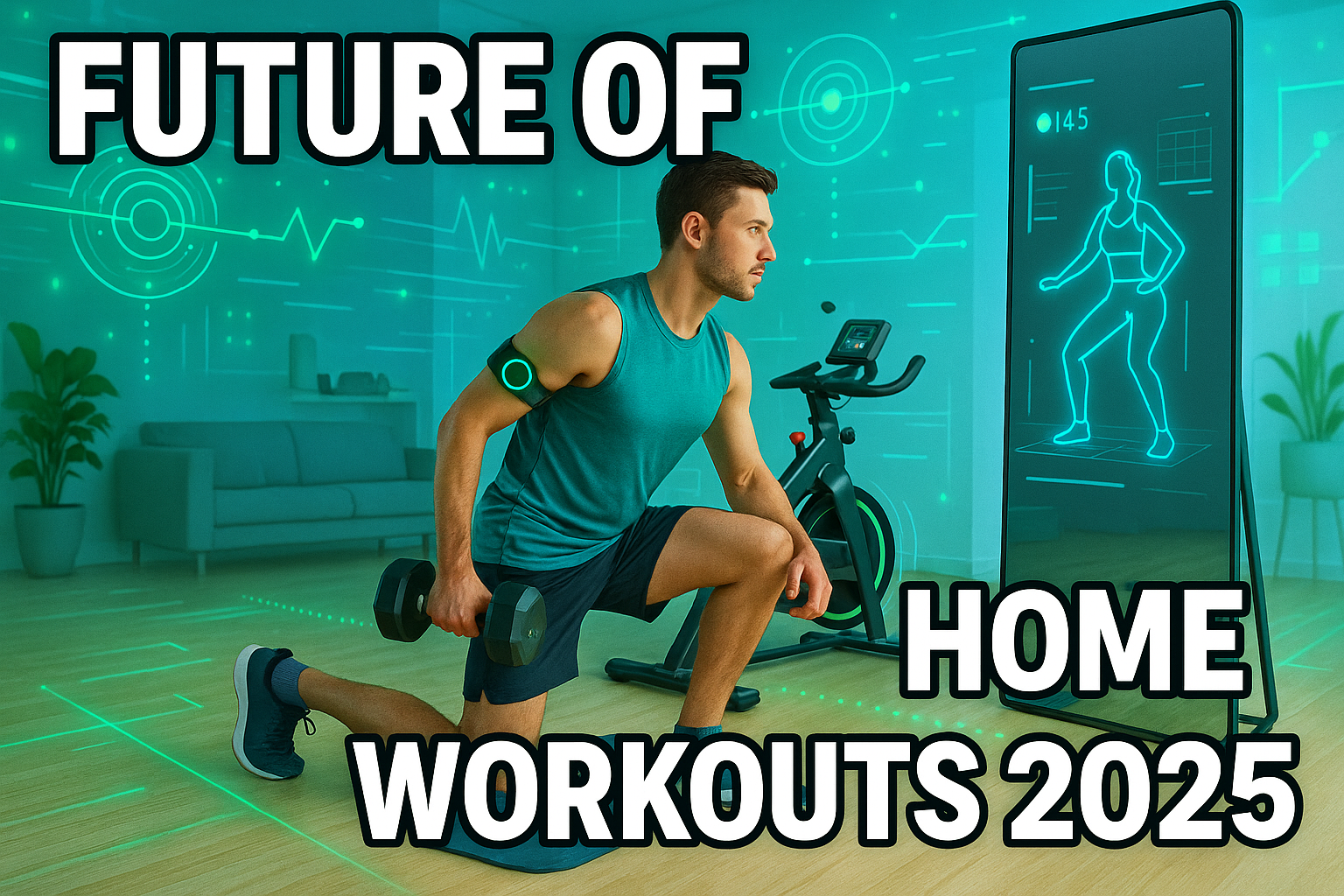
Smart mirrors and interactive screens are redefining home workouts by combining visual guidance with real-time analytics. These devices display live instructors, overlay exercise techniques, and track movements to provide instant feedback. Users can see themselves performing exercises correctly while receiving suggestions for adjustments.
In 2025, smart mirrors integrate AI-powered coaching and community features, allowing live classes, competitions, and virtual group workouts. This interactive approach increases engagement, motivation, and accountability, making home workouts more immersive and enjoyable.
Wearable Technology for Real-Time Feedback
Wearable devices such as smartwatches, heart rate monitors, and motion sensors provide real-time data during workouts. These devices track calories burned, heart rate zones, muscle activation, and overall performance. In 2025, wearables integrate seamlessly with fitness apps, offering AI-driven insights to optimize training.
Wearables also monitor recovery, sleep quality, and stress levels, ensuring that workouts are balanced and effective. By providing detailed feedback, these devices help individuals understand their body better and improve performance without needing a gym environment.
Connected Strength Training Equipment
Traditional gym equipment is evolving into smart devices that enhance home strength training. AI-enabled resistance machines, smart dumbbells, and connected kettlebells measure repetitions, track weight adjustments, and provide guidance for optimal form. These devices create adaptive workouts that evolve as the user progresses.
Smart strength training equipment ensures that home workouts are efficient and safe. Users receive personalized recommendations based on performance metrics, allowing beginners and experienced athletes alike to maximize results without professional supervision.
Virtual Classes and Community Engagement
Home workouts in 2025 are no longer solitary experiences. Virtual classes and live-streamed sessions create a sense of community, motivation, and accountability. Users can join group workouts, compete in challenges, and interact with instructors and peers in real time.
Smart devices connect to these platforms, tracking performance and participation. Community engagement encourages consistency, enhances enjoyment, and provides social reinforcement, which is critical for long-term adherence to fitness routines.
Gamification and Motivation
Gamification is a key trend in smart home workouts. Devices and apps incorporate challenges, rewards, and progress tracking to make exercise engaging. Users earn badges, achieve milestones, and participate in virtual competitions that encourage consistency.
AI-driven gamification adapts challenges to individual skill levels, ensuring that workouts remain motivating without being discouraging. This trend turns home fitness into an interactive and rewarding experience, increasing adherence and long-term results.
Holistic Fitness and Recovery Tracking
Modern home workouts focus on holistic health, combining strength, cardio, flexibility, and mental fitness. Smart devices track not only physical performance but also recovery, stress, and sleep. In 2025, recovery-focused routines, guided stretches, and relaxation sessions are integrated into fitness programs.
By monitoring overall well-being, smart devices help users balance intensity with rest, prevent injuries, and optimize long-term performance. Holistic tracking ensures that home workouts are sustainable, effective, and aligned with health goals.
AI Nutrition and Lifestyle Integration
Fitness in 2025 goes beyond exercise. Smart home devices often integrate with nutrition apps and AI diet planners, providing personalized recommendations based on activity levels, goals, and metabolic data. Users receive guidance on meal timing, caloric intake, hydration, and supplementation.
This integration ensures that home workouts are supported by proper nutrition, maximizing performance, recovery, and results. The combination of exercise, diet, and AI guidance creates a complete at-home fitness ecosystem.
Accessibility and Inclusivity
Smart home workout devices make fitness accessible to people of all abilities, ages, and lifestyles. AI algorithms adapt exercises for beginners, seniors, and individuals with specific physical conditions. Adjustable resistance, guided modifications, and real-time feedback ensure that workouts are safe and effective for everyone.
In 2025, inclusivity is central to smart fitness design, making home workouts an option for people who previously relied on gyms or personal trainers to achieve their goals.
Sustainability and Space Efficiency
Smart home devices are designed with sustainability and space efficiency in mind. Compact, multifunctional equipment reduces the need for large, resource-intensive gym setups. Many devices use eco-friendly materials and energy-efficient designs, making home fitness environmentally conscious.
Space-saving designs allow users to create a full-body workout area at home without clutter, making regular exercise practical and convenient even in small living spaces.
The Future of Home Workouts
By 2025, the future of home workouts is fully digital, interactive, and personalized. AI-powered devices, immersive experiences, and wearable technology redefine how people train, recover, and track progress. Fitness is no longer limited by location, time, or access to professional trainers. The combination of technology, community engagement, and personalized programs ensures effective, safe, and enjoyable workouts at home.
The home fitness ecosystem will continue to evolve with VR integration, adaptive AI coaching, and more immersive experiences. As technology advances, home workouts will rival or surpass traditional gyms in terms of engagement, results, and overall value.
Conclusion
Smart devices are transforming home workouts in 2025 by combining technology, personalization, and immersive experiences. AI-powered trainers, wearable devices, interactive mirrors, and connected equipment provide real-time feedback, motivation, and guidance. Virtual classes, gamification, and holistic tracking make fitness engaging, effective, and sustainable at home.
The future of home workouts is intelligent, interactive, and accessible to everyone. Individuals who embrace smart devices gain the benefits of expert guidance, measurable progress, and an enjoyable exercise experience without leaving their home. The integration of fitness technology ensures that achieving health goals is easier, more efficient, and aligned with modern lifestyles.
