
Introduction
In 2025, maintaining a healthy lifestyle is no longer just about exercising or counting calories; it begins with proper nutrition. Nutrition is the cornerstone of physical health, mental well-being, and long-term vitality. What we eat directly impacts energy levels, immunity, weight management, and even cognitive function. A balanced, thoughtful approach to nutrition allows individuals to thrive in every aspect of life.
Building a healthy lifestyle requires understanding not only which foods to consume but also how and when to consume them. Modern nutrition emphasizes whole foods, balanced macronutrients, mindful eating, and personalization based on individual needs. With the advent of AI-driven apps, wearable health monitors, and advanced dietary tracking, people can now create nutrition plans that align with their unique lifestyle goals.
This blog explores practical and science-backed nutrition tips that help build and maintain a healthy lifestyle in 2025, combining convenience, sustainability, and long-term benefits.
Focus on Whole, Unprocessed Foods
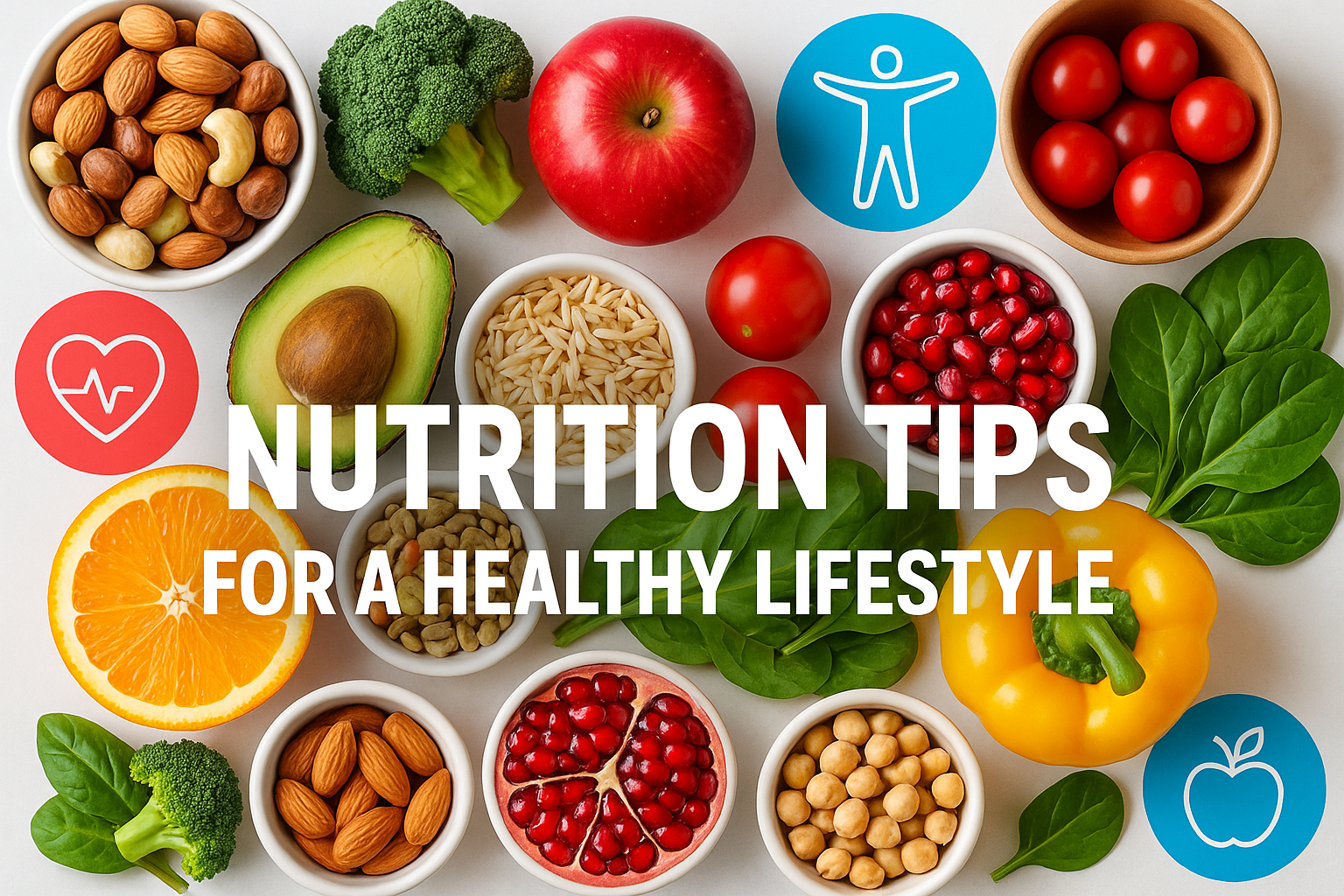
One of the most important aspects of a healthy diet is consuming whole, minimally processed foods. Fresh fruits, vegetables, lean proteins, whole grains, nuts, and seeds provide essential nutrients, fiber, and antioxidants that support overall health. In contrast, highly processed foods often contain added sugars, unhealthy fats, and artificial ingredients that contribute to inflammation, weight gain, and chronic disease.
Prioritizing whole foods ensures that the body receives vitamins, minerals, and phytonutrients necessary for optimal function. Meals built around natural ingredients are not only more nourishing but also more satisfying, reducing cravings for unhealthy snacks.
Balanced Macronutrient Intake
A healthy diet requires the right balance of carbohydrates, proteins, and fats. Carbohydrates fuel the body and brain, proteins support muscle repair and hormone production, and healthy fats aid in nutrient absorption and heart health. In 2025, personalized nutrition plans powered by AI and wearable devices help individuals optimize macronutrient ratios based on activity levels, metabolism, and health goals.
Balanced macronutrients prevent energy crashes, support muscle maintenance, and improve cognitive function. Understanding individual needs and adjusting intake accordingly ensures sustainable and effective nutrition for a healthy lifestyle.
Mindful Eating Practices
Mindful eating emphasizes paying full attention to hunger cues, food choices, and the eating experience. This practice encourages individuals to eat slowly, savor flavors, and recognize when they are full. Mindful eating reduces overeating, improves digestion, and fosters a healthier relationship with food.
By incorporating mindfulness into daily meals, people are less likely to indulge in emotional eating or unhealthy snacking. In 2025, apps and wearable devices provide reminders and track eating habits to reinforce mindful eating practices.
Hydration and Its Importance
Water is essential for virtually every bodily function, including digestion, metabolism, circulation, and temperature regulation. Proper hydration improves physical performance, cognitive clarity, and skin health. In 2025, smart water bottles and health apps remind users to stay hydrated, track water intake, and ensure optimal fluid balance.
Dehydration can lead to fatigue, poor concentration, and impaired physical performance. Maintaining consistent hydration is a foundational step in building a healthy lifestyle.
Incorporating Superfoods
Superfoods are nutrient-dense foods that offer exceptional health benefits. Berries, leafy greens, fatty fish, nuts, seeds, and fermented foods provide antioxidants, omega-3 fatty acids, probiotics, and essential vitamins. Including superfoods in daily meals strengthens immunity, supports gut health, and reduces the risk of chronic diseases.
Superfoods can be easily integrated into smoothies, salads, and snacks, making them a convenient and effective tool for enhancing overall nutrition in 2025.
Meal Planning and Preparation
Consistent healthy eating is easier when meals are planned and prepared in advance. Meal planning prevents reliance on unhealthy fast food, ensures portion control, and allows for balanced nutrition throughout the week. In 2025, apps help individuals create personalized meal plans based on dietary preferences, nutritional needs, and fitness goals.
Meal prep also saves time, reduces stress, and encourages healthier choices. By dedicating time to organize meals, individuals are more likely to maintain a balanced diet and sustain a healthy lifestyle.
Limiting Added Sugars and Processed Foods
High consumption of added sugars and processed foods contributes to weight gain, insulin resistance, and inflammation. Reducing sugar-sweetened beverages, candies, packaged snacks, and refined carbohydrates improves energy, mental clarity, and overall health.
In 2025, many people use digital tools to track sugar intake, identify hidden sugars in packaged foods, and make informed substitutions. Awareness and moderation are key to avoiding negative health impacts while still enjoying occasional treats.
Gut Health and Probiotics
Gut health is a cornerstone of overall wellness. A balanced gut microbiome supports digestion, immunity, mental health, and even weight management. Incorporating probiotics from fermented foods such as yogurt, kefir, sauerkraut, and kombucha helps maintain healthy gut flora.
Prebiotics, found in fiber-rich foods like vegetables, legumes, and whole grains, nourish beneficial bacteria. In 2025, AI-driven nutrition apps recommend personalized gut-friendly diets that support digestive health and overall vitality.
Healthy Snacking and Portion Control
Snacking wisely is essential for maintaining energy levels and preventing overeating. Healthy snacks like nuts, fruits, yogurt, and whole-grain options provide sustained energy without excessive calories. Portion control ensures that snacks complement daily nutrition rather than disrupt it.
In 2025, smart kitchen scales and apps help track serving sizes, making it easier to manage caloric intake and maintain a balanced diet. Consistent portion awareness supports long-term healthy habits.
Adaptation to Individual Needs
Every individual has unique dietary requirements based on age, activity level, metabolism, and health goals. Personalized nutrition plans, powered by AI and health monitoring devices, help individuals adjust meal composition, timing, and portions according to personal needs.
Adapting nutrition to the individual ensures optimal performance, recovery, and wellness. In 2025, tailored dietary guidance is a major component of building a sustainable healthy lifestyle.
Conclusion
Nutrition is the foundation of a healthy lifestyle in 2025. Emphasizing whole foods, balanced macronutrients, hydration, mindful eating, and personalized approaches ensures that individuals thrive physically and mentally. Incorporating superfoods, managing portions, supporting gut health, and planning meals strategically enhances long-term wellness and performance.
By combining modern technology, personalized guidance, and sustainable habits, people can create a lifestyle that promotes health, energy, and longevity. Nutrition is not just about what you eat; it is a tool for achieving holistic well-being and living life to the fullest.
