
Introduction
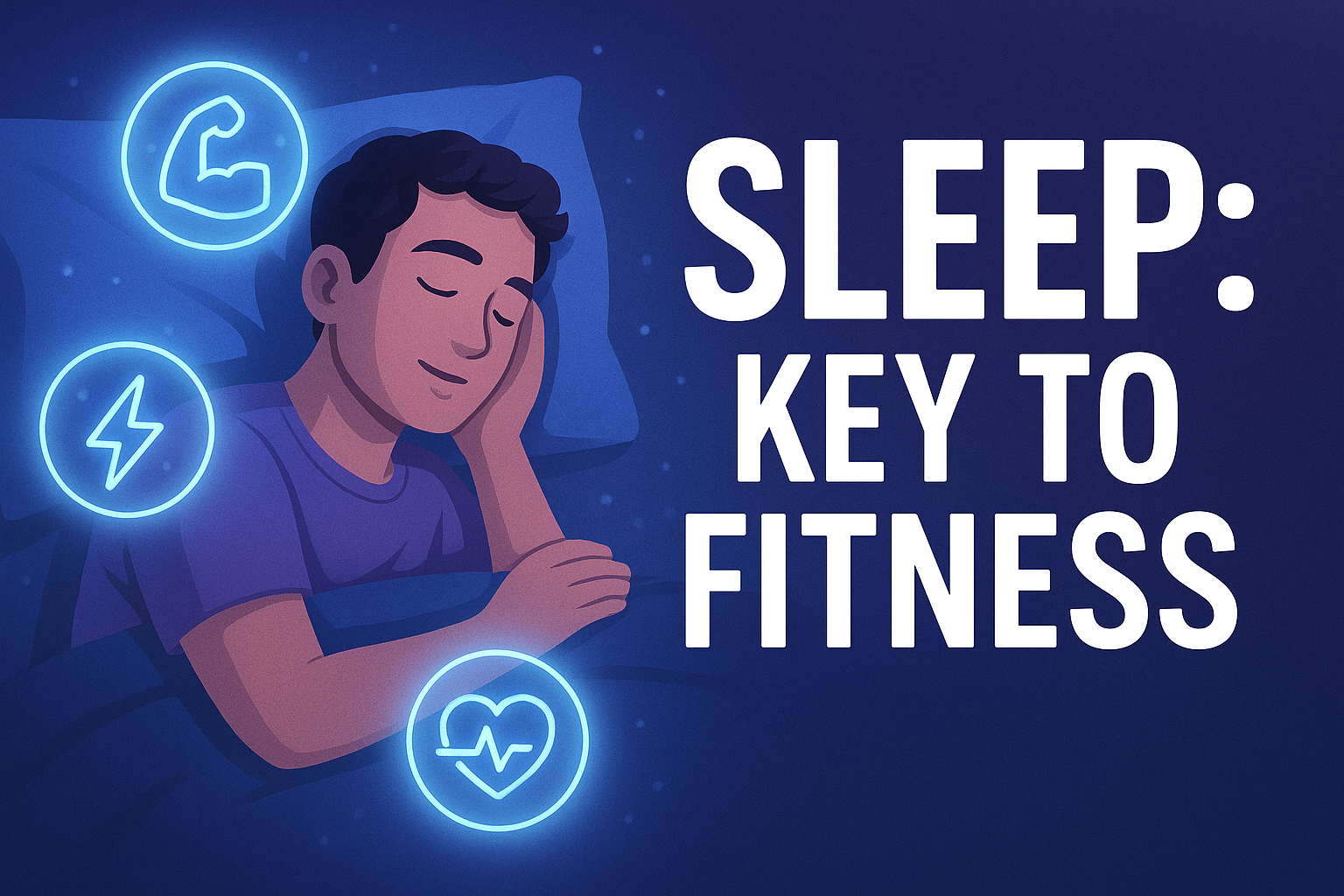
In 2025, the conversation around fitness is shifting. While workouts, nutrition, and supplements have traditionally dominated discussions, sleep is emerging as the most critical component of physical and mental performance. Quality sleep directly affects strength, endurance, recovery, hormone regulation, mental clarity, and overall well-being. Without proper rest, even the most intense training routines and strict diets cannot achieve optimal results.
Fitness enthusiasts, athletes, and health experts increasingly recognize that sleep is not a passive state but an active process that supports cellular repair, cognitive function, and energy replenishment. Sleep determines how effectively the body adapts to physical stress and maintains long-term health. Understanding its role is essential for anyone serious about achieving peak performance and building a sustainable fitness lifestyle.
This blog explores why sleep is the most important part of fitness, its impact on the body and mind, and practical strategies to optimize rest in 2025.
The Science of Sleep and Fitness
Sleep is a complex physiological process comprising multiple stages: light sleep, deep sleep, and rapid eye movement (REM) sleep. Each stage plays a unique role in restoring the body and mind. Deep sleep is critical for muscle recovery and growth, while REM sleep supports cognitive function, memory consolidation, and emotional regulation.
During sleep, the body releases growth hormone, which facilitates tissue repair, muscle building, and fat metabolism. Inadequate sleep disrupts these processes, limiting recovery and reducing the effectiveness of workouts. Quality sleep ensures that training efforts are translated into measurable physical gains.
Sleep and Muscle Recovery
One of the most significant ways sleep influences fitness is through muscle recovery. Exercise causes microtears in muscle fibers, which need rest to repair and grow stronger. Deep sleep stimulates protein synthesis, enhances cellular repair, and reduces inflammation. Athletes who prioritize sleep experience faster recovery, less soreness, and improved performance.
Without adequate sleep, muscles remain fatigued, strength gains are diminished, and the risk of injury increases. In 2025, wearable devices help track sleep quality, providing data that allows athletes to optimize recovery alongside their training schedules.
Impact on Strength and Endurance
Sleep directly affects strength, endurance, and overall athletic performance. Studies show that well-rested individuals exhibit higher energy levels, better coordination, and increased stamina during workouts. Conversely, sleep deprivation reduces reaction time, decreases focus, and impairs physical output.
In endurance sports, poor sleep negatively impacts cardiovascular efficiency and energy metabolism. For strength training, lack of rest compromises lifting capacity and increases injury risk. Prioritizing sleep ensures consistent performance and gradual, sustainable progress.
Hormonal Regulation and Metabolism
Sleep regulates essential hormones involved in fitness, including cortisol, testosterone, and insulin. Cortisol, the stress hormone, decreases during quality sleep, reducing inflammation and promoting recovery. Testosterone and growth hormone, crucial for muscle growth and fat metabolism, peak during deep sleep cycles.
Insufficient sleep disrupts insulin sensitivity, leading to energy imbalances and fat accumulation. In 2025, understanding these hormonal mechanisms emphasizes that fitness is not just about activity; rest is a powerful metabolic tool.
Mental Performance and Motivation
Fitness is as much mental as it is physical. Sleep enhances cognitive function, focus, decision-making, and emotional stability. Individuals who sleep well maintain motivation, adhere to training routines, and make healthier choices regarding nutrition and exercise.
Sleep deprivation, on the other hand, increases irritability, reduces discipline, and diminishes motivation. In 2025, integrating mental recovery with physical recovery is a key component of a successful fitness lifestyle.
Immune Function and Injury Prevention
Quality sleep strengthens the immune system, allowing the body to fight infections and recover from physical stress. Well-rested individuals experience fewer illnesses, reducing disruptions in training schedules. Sleep also enhances tissue repair and reduces inflammation, minimizing the risk of overuse injuries.
For athletes and fitness enthusiasts, prioritizing sleep ensures that the body is resilient, adaptable, and prepared for both workouts and everyday activities.
Sleep Optimization Strategies
In 2025, technology provides new tools to optimize sleep for fitness. Wearable trackers monitor sleep cycles, heart rate, and stress levels, offering insights into rest quality. Smart devices adjust lighting, temperature, and environmental factors to create an ideal sleep environment.
Other strategies include establishing consistent sleep schedules, limiting screen exposure before bedtime, practicing relaxation techniques, and maintaining a balanced diet. Combining technology with mindful habits ensures deep, restorative sleep that maximizes fitness gains.
Integration With Fitness Programs
Modern fitness programs increasingly integrate sleep as a core component. AI-driven coaching apps adjust workout intensity based on sleep data, recommending lighter or more intense sessions depending on recovery. This adaptive approach ensures that training aligns with the body’s readiness, preventing overtraining and promoting steady progress.
Athletes who combine structured workouts, proper nutrition, and optimized sleep achieve superior results, demonstrating that sleep is a foundational pillar of fitness.
Long-Term Health and Longevity
Prioritizing sleep supports long-term health, longevity, and quality of life. Chronic sleep deprivation is linked to cardiovascular disease, metabolic disorders, cognitive decline, and reduced lifespan. For individuals pursuing fitness goals, sleep ensures that training efforts contribute to sustainable health rather than short-term gains.
In 2025, awareness of sleep’s role in holistic wellness drives the development of smart solutions, educational initiatives, and personalized routines that promote lifelong fitness.
Conclusion
Sleep is the most important part of fitness because it supports recovery, enhances performance, regulates hormones, strengthens immunity, and maintains mental clarity. Without proper rest, even the most rigorous training and disciplined nutrition cannot achieve maximum results. By prioritizing sleep alongside exercise and diet, individuals unlock their full potential, achieve sustainable progress, and safeguard long-term health.
In 2025, technology, mindfulness, and personalized routines make optimizing sleep easier than ever. Fitness is no longer just about workouts; it is a holistic approach where rest is as critical as effort. For anyone seeking peak performance, wellness, and longevity, sleep is the ultimate fitness tool.
