
Introduction
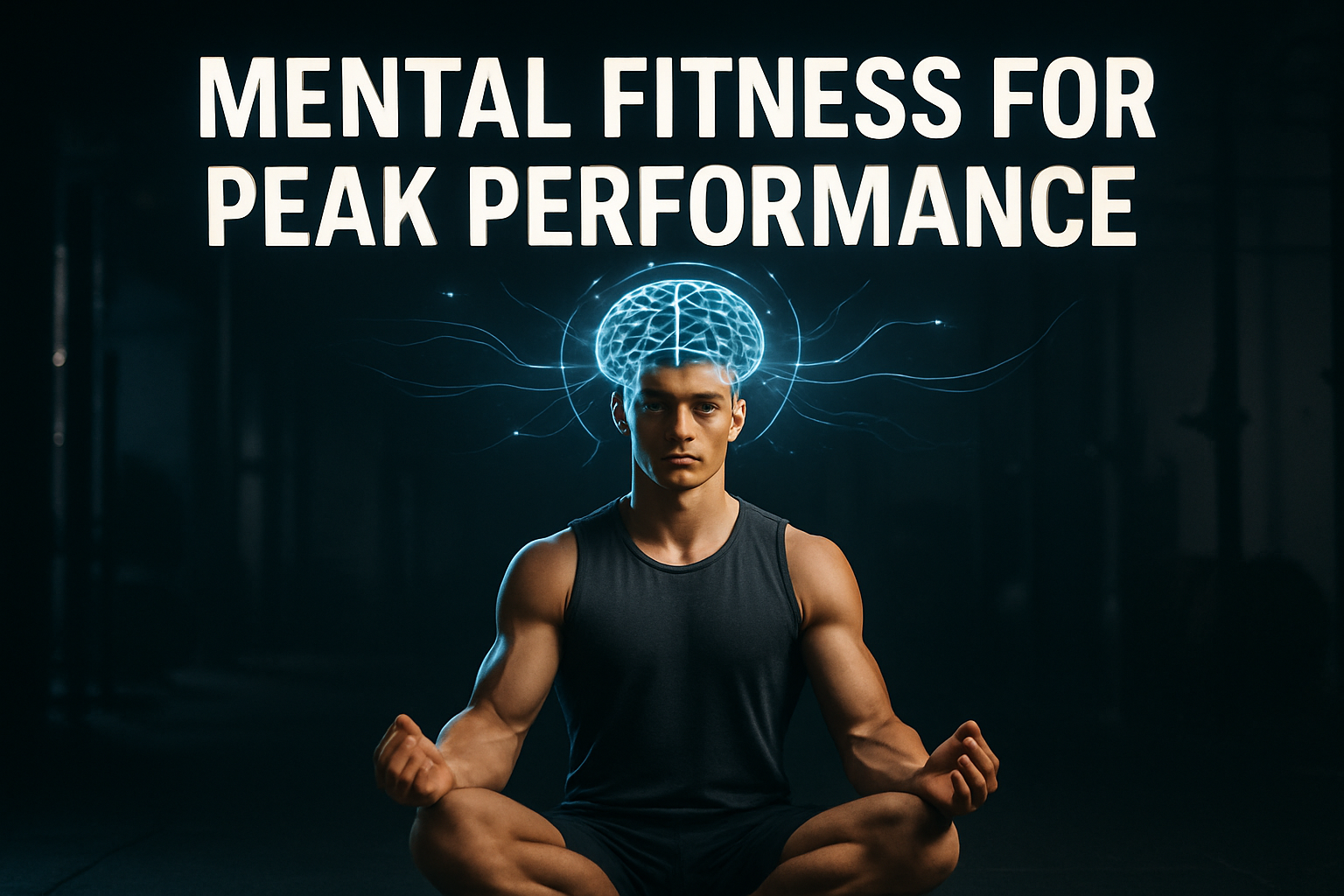
Physical performance is often associated solely with training intensity, nutrition, and recovery. While these factors are undeniably important, mental fitness plays an equally critical role in enhancing athletic performance and overall physical capability. Mental fitness is the ability to maintain focus, manage stress, control emotions, and harness cognitive skills to optimize physical output. In sports, fitness, and even daily physical activities, a strong mind can make the difference between achieving goals or falling short.
This blog explores the most effective mental fitness practices that directly improve physical performance. By understanding and applying these strategies, athletes, fitness enthusiasts, and even casual exercisers can unlock greater potential in both training and competition.
The Connection Between Mind and Body
The mind and body are deeply interconnected. Neuroscientific studies show that mental states influence physiological performance, reaction time, endurance, and even recovery. Positive mental focus can improve muscle coordination, reduce perceived exertion, and enhance resilience under stress. Conversely, stress, anxiety, or lack of focus can hinder performance, increase the risk of injury, and slow recovery.
Understanding this connection allows athletes and fitness enthusiasts to integrate mental training alongside physical training. Mental fitness is not just about avoiding negative thoughts—it’s about developing strategies that support focus, motivation, and overall performance.
Visualization Techniques
Visualization, also known as mental imagery, is one of the most effective tools to improve physical performance. It involves mentally rehearsing movements, strategies, or workouts before executing them in reality. Athletes from top-performing sports, such as gymnastics, basketball, and swimming, use visualization to enhance precision, timing, and confidence.
Visualizing successful performance helps prime neural pathways, making actual execution smoother. For instance, a sprinter visualizing the perfect start and sprint mechanics will often react faster during the race. Similarly, weightlifters mentally rehearsing lifts can improve coordination and technique. Visualization also reduces performance anxiety and builds confidence, both of which are crucial for peak performance.
Mindfulness and Focus Training
Mindfulness practice is about maintaining awareness of the present moment without judgment. Athletes who cultivate mindfulness are better at staying focused during intense training sessions and competitions. Mindfulness meditation can help athletes maintain composure, reduce distractions, and respond effectively under pressure.
Regular mindfulness practice improves concentration, reduces impulsivity, and increases cognitive flexibility. For endurance athletes, mindfulness can help them manage pain perception, stay calm during high-intensity intervals, and sustain effort without mental fatigue. By training the mind to focus, athletes can push physical limits without being overwhelmed by stress or anxiety.
Goal Setting and Mental Clarity
Setting clear, realistic goals is a foundational mental fitness practice. Goals provide direction, motivation, and measurable benchmarks for progress. Physical training without mental goals often lacks purpose and focus. Goal setting, whether short-term or long-term, helps athletes stay committed, track improvement, and sustain motivation.
Mental clarity allows individuals to prioritize efforts, avoid burnout, and maintain consistency in training. Breaking larger goals into manageable steps prevents mental overload and creates a sense of achievement along the way. Athletes with clear mental objectives often perform better because they have a roadmap for both practice and competition.
Positive Self-Talk and Mental Conditioning
The language we use internally influences our mindset and performance. Positive self-talk is a mental fitness practice that encourages motivation, confidence, and resilience. Athletes who train their minds to replace negative thoughts with constructive, empowering statements experience improved focus, reduced stress, and greater determination.
Mental conditioning using affirmations, pre-performance routines, and motivational cues strengthens neural pathways that support positive behavior. For example, a runner reminding themselves, “I am strong and capable,” can maintain pace and push through fatigue more effectively than someone dwelling on exhaustion or doubt.
Stress Management and Emotional Regulation
Stress can significantly impair physical performance by increasing tension, reducing coordination, and impacting recovery. Mental fitness practices focused on stress management help athletes regulate emotions, control arousal levels, and maintain optimal performance states. Techniques such as controlled breathing, meditation, progressive muscle relaxation, and journaling can reduce stress responses and enhance focus.
Emotional regulation also allows athletes to respond constructively to setbacks, mistakes, or competitive pressure. A well-managed emotional state contributes to sustained effort, better decision-making, and a consistent performance level, even under challenging conditions.
Cognitive Training and Reaction Time
Cognitive training exercises can improve reaction times, decision-making, and overall mental agility, which directly affect physical performance. Brain-training apps, puzzle-solving, and sports-specific drills that challenge quick thinking help sharpen the mind. Athletes benefit from enhanced pattern recognition, faster responses, and better strategic planning.
For team sports like basketball or soccer, improved cognitive performance enables athletes to anticipate opponents’ moves and react faster. For individual sports like tennis or martial arts, cognitive sharpness ensures precise timing and coordination. Mental agility is a hidden factor that can elevate physical performance to the next level.
Sleep and Mental Recovery
Mental fitness is incomplete without proper sleep and recovery. The brain consolidates memories, processes information, and repairs neural pathways during sleep. Athletes who prioritize sleep experience better focus, improved reaction time, faster decision-making, and enhanced motor skills. Lack of quality sleep negatively affects mental clarity, emotional regulation, and even muscle recovery.
Integrating good sleep hygiene, consistent sleep schedules, and relaxation practices contributes to both mental and physical performance. A well-rested mind powers a well-performing body.
Integration of Technology in Mental Fitness
Advances in technology allow athletes to monitor, enhance, and train mental fitness alongside physical training. Wearable devices track stress levels, heart rate variability, and sleep quality. Apps provide guided meditation, cognitive training exercises, and mindfulness routines. Virtual reality and AR tools offer immersive visualization exercises, enhancing skill acquisition and mental rehearsal.
By combining technology with traditional mental practices, athletes can personalize mental fitness routines, track progress, and ensure consistency. Technology provides measurable insights into mental readiness, helping athletes optimize their performance.
Consistency and Habit Formation
Mental fitness, like physical fitness, requires consistency. Practices such as meditation, visualization, positive self-talk, and cognitive training must become habitual. Daily commitment, even for a few minutes, compounds over time and significantly enhances performance.
Creating a routine that integrates mental fitness into training ensures it is not overlooked. Athletes who consistently engage in mental training report better focus, improved motivation, reduced anxiety, and enhanced overall physical performance. The key is integrating mental exercises seamlessly into daily life rather than treating them as optional.
Conclusion
Mental fitness is no longer an optional addition to physical training—it is a core component of peak performance. Visualization, mindfulness, goal setting, positive self-talk, stress management, cognitive training, sleep, and technology integration are all practices that strengthen the mind and, by extension, the body.
Athletes, fitness enthusiasts, and everyday exercisers who prioritize mental fitness will see improvements not only in physical capabilities but also in focus, resilience, and consistency. Mental training empowers individuals to overcome challenges, sustain motivation, and reach higher levels of performance than relying solely on physical training.
In the future, those who succeed in sports and fitness will be the ones who understand that mental preparation and mental strength are as crucial as physical strength. By developing mental fitness, anyone can unlock their full potential and elevate their physical performance to new heights.
