
Introduction
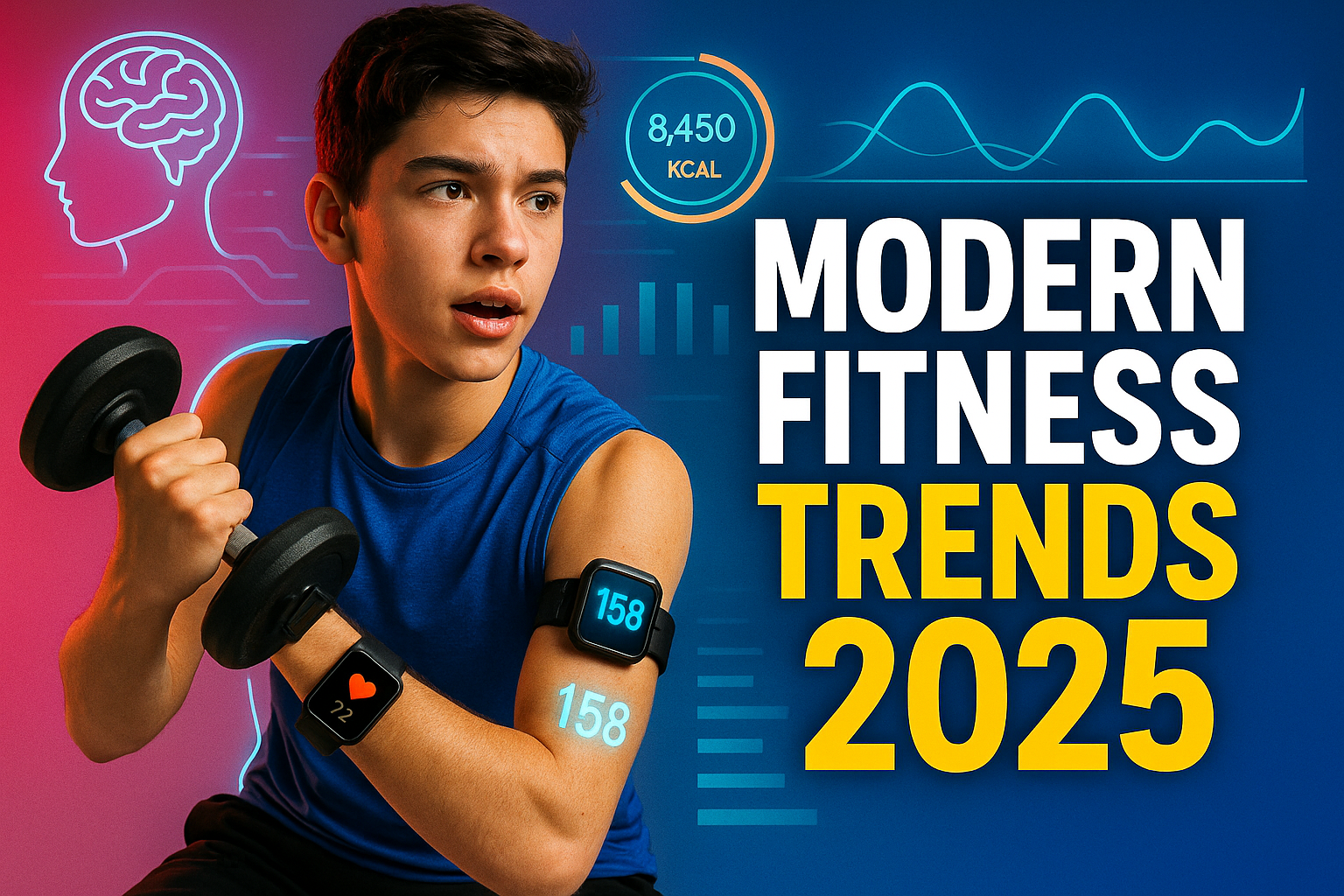
Fitness in 2025 is no longer limited to traditional workouts at gyms or basic running routines. The modern fitness landscape combines technology, personalized training, and science-backed methods to deliver better results efficiently. With AI-driven coaching, wearable devices, smart nutrition tracking, and innovative exercise methods, achieving peak physical health is more accessible and effective than ever before.
Despite the rise of countless trends promising quick results, not all methods are effective. In 2025, the focus is on approaches backed by data, research, and long-term sustainability. Modern fitness trends prioritize holistic well-being, combining physical strength, mental resilience, and healthy lifestyle habits. Understanding these trends helps individuals maximize results while minimizing wasted time and effort.
This blog explores the modern fitness trends in 2025 that actually work, offering insights into exercises, technology, nutrition, and lifestyle strategies for anyone committed to staying fit and healthy.
AI-Powered Personalized Training
One of the most significant trends in 2025 is AI-powered personalized training. Traditional workout plans are one-size-fits-all, but AI analyzes an individual’s body type, fitness level, goals, and progress to design customized routines. AI apps and devices track performance, adjust workouts in real-time, and suggest modifications to optimize results.
This personalization ensures that each session targets the right muscles, intensity, and recovery time. AI also prevents overtraining and reduces the risk of injury. Whether for weight loss, strength building, or endurance improvement, personalized AI training is proving highly effective.
Wearable Fitness Technology
Wearable devices like smartwatches, fitness bands, and biometric sensors dominate modern fitness. These devices track heart rate, steps, calories burned, sleep patterns, and even stress levels. In 2025, wearable technology integrates with apps to provide actionable insights, helping users stay accountable and motivated.
Wearables also enable gamification, creating challenges, progress badges, and social sharing features. This combination of data and engagement encourages consistency and keeps users invested in their fitness journey. Tracking progress scientifically ensures that workouts are efficient and measurable.
Hybrid Home and Gym Workouts
While gyms remain popular, hybrid fitness approaches are trending in 2025. Many people combine home-based workouts with gym sessions to maintain flexibility, convenience, and cost-effectiveness. Smart home equipment, including resistance bands, AI-enabled machines, and compact weights, allows users to perform effective workouts without leaving home.
This hybrid model works because it removes barriers like commuting time, crowded gyms, and schedule conflicts. It also enables consistency, which is critical for achieving results. Combining home workouts with occasional gym sessions ensures variety, progression, and overall fitness improvement.
High-Intensity Interval Training (HIIT) Remains Popular
High-Intensity Interval Training (HIIT) continues to be one of the most effective workout methods in 2025. Short bursts of intense exercise followed by brief recovery periods optimize calorie burn, improve cardiovascular health, and boost endurance. HIIT workouts are versatile and can be adapted to different fitness levels and time constraints.
With AI coaching and smart equipment, HIIT routines are more precise and safe than ever. Modern HIIT programs use real-time monitoring to adjust intensity, ensuring maximum benefits while preventing overexertion. This trend remains popular because it delivers results efficiently, making it ideal for busy lifestyles.
Strength Training With Smart Equipment
Strength training has evolved beyond free weights and traditional machines. In 2025, smart strength equipment tracks repetitions, form, and resistance to optimize workouts. AI-driven machines provide real-time feedback, guiding users on correct posture and weight adjustments.
Strength training builds muscle, increases metabolism, and enhances bone density. Modern equipment ensures that beginners and experts can perform exercises effectively without personal trainers, making strength building more accessible and safer.
Functional Fitness and Mobility
Functional fitness focuses on exercises that improve daily life movements, balance, and flexibility. In 2025, functional training is widely adopted because it prevents injuries, enhances posture, and supports long-term physical health. Movements like squats, lunges, and push-ups are combined with dynamic exercises that improve core strength and mobility.
Fitness trends now emphasize holistic body performance, not just aesthetics. Functional training ensures that fitness gains translate into practical benefits, such as lifting, bending, and overall coordination, making everyday activities easier and safer.
Mind-Body Workouts and Stress Management
Modern fitness trends in 2025 recognize the importance of mental well-being. Practices like yoga, Pilates, meditation, and breathwork are integrated into fitness routines to reduce stress, improve focus, and enhance recovery. AI apps guide users through sessions, adapting intensity and duration based on real-time stress and performance data.
Mind-body workouts support holistic health, improving both mental and physical resilience. They complement traditional exercise by reducing cortisol levels, improving sleep, and boosting energy, which enhances overall performance in other workouts.
Nutrition Tracking and Smart Meal Planning
Fitness is incomplete without proper nutrition. In 2025, AI-driven apps analyze dietary habits, nutritional needs, and fitness goals to create personalized meal plans. Smart devices track calorie intake, macro and micronutrients, hydration, and even timing of meals to optimize performance.
This trend ensures that individuals fuel their bodies effectively for workouts and recovery. AI-generated suggestions also consider allergies, preferences, and lifestyle factors, making nutrition accessible and tailored. Combining proper diet with exercise maximizes results and accelerates fitness progress.
Virtual Fitness Communities and Social Engagement
Social engagement motivates individuals to stay consistent with their fitness routines. In 2025, virtual fitness communities allow users to join challenges, share progress, and interact with peers globally. Gamification and friendly competition increase adherence to workouts and accountability.
AI monitors community engagement and encourages users to reach milestones, improving motivation. These digital communities provide support, guidance, and social interaction, which enhance overall fitness commitment and enjoyment.
Recovery and Wearable Health Monitoring
Recovery is as important as training. Modern fitness trends emphasize rest, sleep, and recovery tracking. Wearable devices in 2025 monitor sleep quality, muscle fatigue, and heart rate variability to guide rest periods. Recovery-focused programs prevent injuries and ensure consistent progress.
Tech-driven recovery methods include cryotherapy, smart massage tools, and guided mobility routines. Combining training with proper recovery ensures that fitness gains are sustainable and long-lasting.
Sustainable and Eco-Friendly Fitness Practices
Environmental consciousness is shaping fitness trends in 2025. Gyms, studios, and equipment manufacturers adopt eco-friendly practices, including energy-efficient machines, sustainable materials, and virtual classes to reduce carbon footprints. Fitness enthusiasts also prioritize outdoor activities and sustainable sportswear.
This trend aligns health with environmental responsibility, making fitness not only beneficial for individuals but also for the planet. Sustainable practices create long-term habits that support overall well-being and lifestyle alignment.
Conclusion
Modern fitness trends in 2025 are defined by technology, personalization, efficiency, and holistic health. From AI-powered training and wearable technology to hybrid workouts, functional fitness, and smart nutrition, individuals now have tools to achieve better results faster and smarter. Mind-body practices, virtual communities, and sustainable fitness add depth and balance, ensuring long-term success.
Adopting these modern trends allows individuals to stay motivated, improve performance, prevent injuries, and maintain a healthier lifestyle. In a world where efficiency and results matter, smart fitness practices ensure that efforts lead to tangible benefits. The future of fitness is intelligent, personalized, and sustainable — and those who embrace it will see lasting results.
