
Introduction
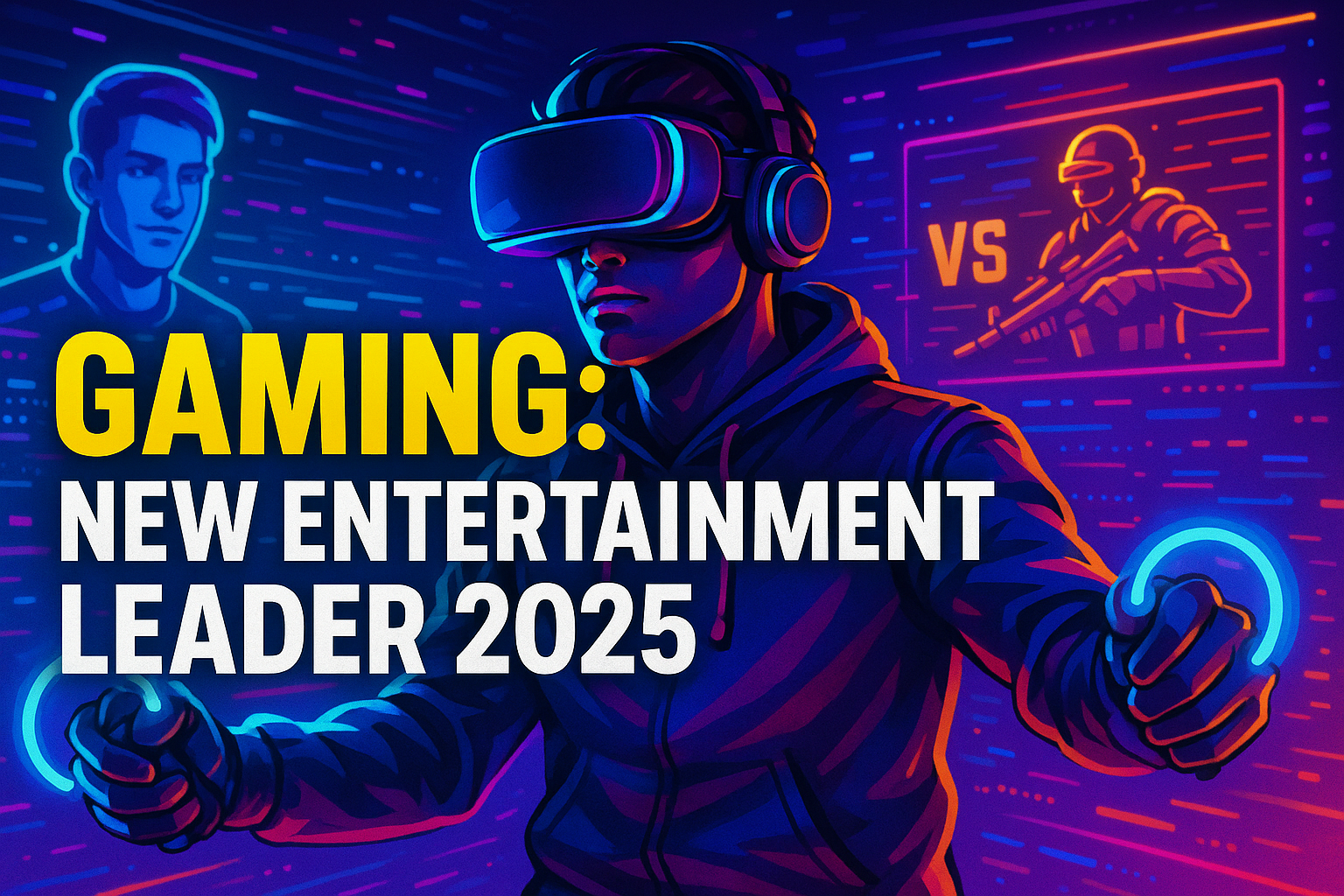
In 2025, gaming is no longer just a hobby; it has emerged as a dominant force in the entertainment industry. With advances in technology, immersive storytelling, and global accessibility, gaming now rivals traditional forms of entertainment such as movies, music, and television. From competitive esports to interactive storytelling and virtual worlds, gaming captures audiences in ways that traditional media cannot.
The rise of gaming as a primary entertainment medium is fueled by innovations in graphics, AI-driven experiences, cloud gaming, and mobile accessibility. Games are not merely for play; they are platforms for social interaction, creative expression, and even professional careers. The gaming industry now influences culture, marketing, and entertainment consumption patterns globally.
This blog explores why gaming is becoming the new leader in entertainment, examining trends, technological advances, and the cultural shift that is reshaping the way people consume entertainment.
Immersive Experiences That Engage Audiences
One of the key reasons gaming dominates entertainment is its ability to provide immersive experiences. Unlike passive media, games actively engage players, allowing them to influence outcomes, explore worlds, and participate in stories. Advanced graphics, virtual reality (VR), and augmented reality (AR) technologies make these experiences increasingly realistic and captivating.
By 2025, players expect fully immersive narratives where choices matter, environments react dynamically, and social interactions are integrated. This interactivity creates deeper emotional connections, making gaming more engaging and compelling than traditional forms of entertainment.
Global Accessibility and Inclusion
Gaming transcends geographic boundaries, cultural differences, and socioeconomic barriers. Mobile games, cloud gaming, and cross-platform play make gaming accessible to millions worldwide. Players can connect, compete, and collaborate regardless of location or device, fostering a global community.
Inclusivity is also central to modern gaming. Developers focus on diverse characters, adaptive controls, and accessibility features, ensuring that players of all abilities can participate. This broad accessibility has helped gaming surpass traditional entertainment media in audience reach and engagement.
The Rise of Esports
Esports has transformed gaming into a professional, spectator-driven industry. Competitive gaming tournaments attract millions of viewers globally, offering substantial prize pools and sponsorships. By 2025, esports has become a mainstream form of entertainment, comparable to traditional sports in viewership and fan engagement.
Streaming platforms like Twitch, YouTube Gaming, and specialized esports networks allow fans to watch live matches, interact with players, and participate in community events. Esports’ growth has created a new economy around gaming, including professional players, coaches, analysts, and content creators, further solidifying gaming as an entertainment powerhouse.
AI-Driven Game Design and Personalization
Artificial intelligence plays a crucial role in making gaming more engaging and personalized. AI algorithms generate adaptive challenges, intelligent NPCs (non-player characters), and dynamic environments that respond to player behavior. Personalization enhances enjoyment, keeps players invested, and increases retention.
By 2025, AI enables games to evolve in real-time, offering unique experiences for each player. This level of customization and immersion is unmatched by traditional entertainment forms, giving gaming a competitive edge in the industry.
Streaming and Cloud Gaming Revolution
Cloud gaming and streaming services have made high-quality gaming accessible without expensive hardware. Players can stream games on smartphones, tablets, and low-end PCs, removing barriers to entry. Platforms like NVIDIA GeForce Now, Xbox Cloud Gaming, and PlayStation Now are expanding the reach of gaming globally.
Streaming also transforms gaming into a social experience. Fans watch live gameplay, participate in challenges, and engage with communities, merging entertainment, social interaction, and gaming into a unified experience. This convergence is a major factor in gaming’s rise as an industry leader.
Interactive Storytelling Surpasses Traditional Media
Modern games offer rich narratives that rival films and television series. Players experience interactive stories where choices impact outcomes, creating emotional investment and replayability. Developers increasingly use cinematic techniques, voice acting, and high-quality animation to craft narratives that rival Hollywood productions.
This interactive storytelling appeals to audiences seeking agency in entertainment, making games more engaging and memorable than passive media. By 2025, storytelling in gaming has become a benchmark for narrative innovation across entertainment industries.
Social Interaction and Community Building
Gaming fosters social connection in ways traditional media cannot. Multiplayer games, online communities, and social features allow players to interact, collaborate, and compete with others worldwide. Communities form around shared interests, creating loyalty, engagement, and cultural impact.
Streaming platforms amplify this social element by allowing players and viewers to engage simultaneously. Fans discuss strategies, share content, and participate in live events, blending entertainment with social networking and community participation.
Monetization and Economic Impact
The gaming industry has developed diverse monetization models, including subscriptions, in-game purchases, season passes, and digital merchandise. These models generate massive revenue streams and fuel continuous development. By 2025, gaming surpasses traditional entertainment in revenue generation, influencing global economics and job creation.
The industry’s economic impact includes not only developers and publishers but also content creators, esports professionals, marketers, and event organizers. Gaming’s financial ecosystem is robust, further establishing it as a leader in entertainment.
Technological Innovation Driving Growth
Technological advances fuel gaming’s dominance. Realistic graphics, haptic feedback, VR/AR integration, AI-driven worlds, and cloud infrastructure continuously enhance the player experience. These innovations allow gaming to evolve rapidly, providing fresh, engaging, and technologically advanced entertainment.
By 2025, technology ensures that gaming remains competitive, immersive, and adaptable to changing consumer preferences, making it the entertainment industry’s frontrunner.
Cultural Influence and Mainstream Acceptance
Gaming has become a cultural phenomenon, influencing music, fashion, movies, and social media. Iconic games, characters, and esports personalities shape trends and inspire collaborations with other entertainment sectors. The mainstream acceptance of gaming has transformed it from a niche hobby to a central component of global culture.
Streaming, cosplay, merchandise, and fan communities demonstrate gaming’s cultural impact, solidifying its status as a dominant entertainment medium.
Conclusion
Gaming is the new leader of the entertainment industry in 2025 due to its immersive experiences, global accessibility, social connectivity, and technological innovation. Esports, interactive storytelling, AI-driven personalization, and cloud gaming have elevated gaming beyond traditional media, creating a dynamic, engaging, and profitable industry.
The rise of gaming reflects a shift in consumer behavior, where audiences value interactivity, community, and personal agency. With continued advancements in technology and expanding cultural influence, gaming is set to maintain its position as the entertainment industry’s frontrunner for years to come. For players, creators, and brands, understanding and embracing gaming’s potential is essential in this new era of entertainment.
